Why are the Shots Going Low ?
The problem is easy to describe “even when you see that you’re aiming dead-center, the pistol keeps shooting low”.
Common shooting mistakes that cause low hits:
Grip
Your grip is the foundation. A lot of shooters think they need to crush the pistol with their firing hand, but that usually causes problems.
focus on a balanced consistent grip: firm, but not a death squeeze.
Also, take into account that your support hand (if shooting two handed) is actually where a lot of the stability comes from. One common mistake is squeezing all your fingers when pulling the trigger.
(the only thing that should move is your trigger finger. The rest should stay locked and steady, keeping the gun stable through the shot breaks.)
Misaligned sights
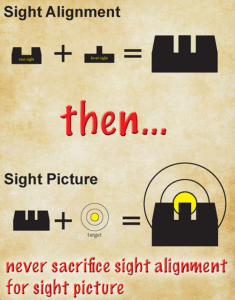
Sights can trick you. Especially as a new shooter because it’s easy to line up left-to-right (equal light),
but forget about the vertical alignment (equal height) . If your front sight dips just a little low, you’ll see the target, but your shot will land low.
Some shooters think red dots are an automatic solution. They may help, sure, but it’s not that easy and it’s best to learn to shoot with iron sights first.
You still need:
- proper calibration
- training to find the dot fast from draw
- account for mechanical offset. (at close distances (10–15 yards), it’s barely noticeable, but stretch out to longer ranges and that mechanical offset makes a big difference!)
Trigger finger and flinching
How you press the trigger can send shots low and off-center. Too much finger on the trigger? You’ll drag the pistol down and inward. Too little? You risk pushing it off the other way.
Flinching while shooting will destroy your accuracy. Many shooters don’t even realize they’re doing it. That slight jerk as you expect recoil drives the muzzle down, making your shots hit low. Building better trigger control through self-awareness and practice is key.
Shot anticipation
A big one. The number one cause of low hits is anticipation. You expect recoil, so your brain tells your hands to fight it, right before the break. The result? You subconsciously push the muzzle down, sending the shot low.
It’s a habit that sneaks in fast and sticks. (It’ll even trick you into learning other bad habits to compensate for this first one)
With the right drills, you can un-train it. We’ll cover how to do that next.
How to Diagnose Your Issue
Now that you know the most common shooting mistakes causing low hits, how to figure out which one is yours?
Before you can fix it, you’ve got to have an accurate diagnosis.
Record yourself shooting
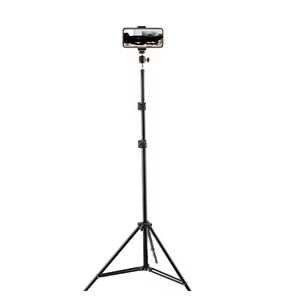 Sometimes you will not be able to feel what you’re doing wrong or see it as it’s happening, but you can see it afterwards. record yourself while shooting.
- Get steady footage from different angles if possible, and the best single view is a side view showing the entire side of the pistol from your strong side.
- Then slow it down and play it back.
- watch for little movements—like
- dipping the muzzle
- jerking the trigger
- changing grip (either hand) while squeezing the trigger
- watch for little movements—like
Dry fire tests
- put a small balanced object on the slide close behind the front sight (something that will fall over if you move the pistol)
- First clear your pistol and make sure it’s completely unloaded.
- Place the object (such as a spent .22LR casing or a pen cap with a flat base) on the slide behind your front sight.
- Aim in and press the trigger slowly. If the object stays balanced, your trigger control is solid. If it falls? you’re onto something to fix.
- adjust the position of your muzzle (cleared pistol) to within 1″ of a tiny speck of something on a wall or door
- practice trigger press to ensure there is no movement.
Try a BenchRest shooting position with live ammo at a range
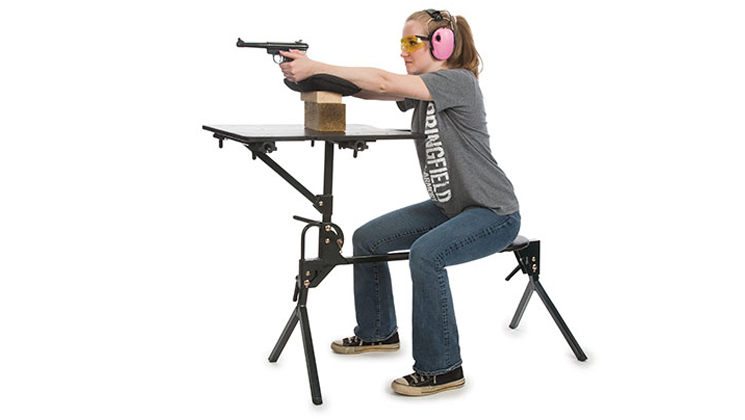
This prevents most of the movement caused by flinching/shot anticipation
- establish a comfortable straight facing, seated position towards target
- back should be as straight as possible
- wrist support (not hand support) should be at shoulder level
- the pistol should be straight out at eye level
Fixing the Problem:
We’re going to focus on four simple and technical drills.
Dry Fire Drills
Dry fire’s where the bad habits get exposed.
- Unload your pistol,
- point it up slightly
- watch your grip and trigger finger as you press.
- See if your finger is pulling straight back or if it’s dragging the pistol sideways and low.
- Too much finger past the trigger will pull the pistol to the opposite side.
- Too little finger on the trigger can push it the opposite way.
- The ideal spot is the center of your finger pad—to get a clean, straight press straight back.
Dry firing is simple, it’s safe, it’s cheap, and very productive. It’s one of the best pistol accuracy tips that you can even practice at home.
Slow controlled shooting
- You might enjoy shooting fast, but if your shots are bad, what’s the point ? Slow down and fix the problems first.
- Watch for subtle movement. Many shooters discover a “little dip” when breaking the trigger wall but only when the video is slowed down enough to see it.
- Take longer pauses between shots if needed. What’s the rush ? (are you shooting to learn or just waste expensive ammo?)
- Once you’re consistently on target slow, then you start building speed back in without bringing the low hits back into the session .
Trigger Reset Drill
- This live-fire drill teaches discipline and rhythm.
- Fire one shot and let the gun recoil.
- As the sights settle back on target,
- slowly release the trigger until you feel the reset click.
- The instant the trigger resets and your sights are back on target, press again. Start slow, focus on smooth resets, then gradually speed up.
- Once you get good at this, it’s time to adjust this to a tactical skill
- now start practicing the reset during the recoil
- when sights are back on target, fire again, repeat
Mix Dummy Rounds With Live Ammo
 Dummy rounds are cheap. Every shooter should have those for each caliber they shoot. When practicing, mix them randomly with live rounds in your mags. That way, you’ll never know what’s coming. (load two mags with different combos or sequences of live and dummy rounds to make it harder to remember which is which)
- When you hit a dummy round, the gun won’t fire.
- But If you flinch, dip the muzzle, or slap the trigger, you’ll see it instantly.
- The pistol will move when a shot should have fired but didn’t.
- and you can’t blame any movement on the round going off
- That surprise factor trains you out of bad habits like anticipation.
Over time, this drill conditions you to keep the sights steady and press smoothly. From there, it’s cleaner hits and more confidence when it counts.
Detect, Diagnose, Correct
Shooting is about precision, focus, and accuracy. If your pistol is shooting low, it’s a habit you need to break, not just for better performance. It’s also about confidence and safety.
Now you know the causes: it could be your grip, your sights, or your trigger pull. You also know the fixes: drills to build better trigger control, ways to diagnose your habits, and even gear upgrades to speed up the process.
With these tips, you should have everything you need to put rounds where they belong: “where you thought you were aiming” !